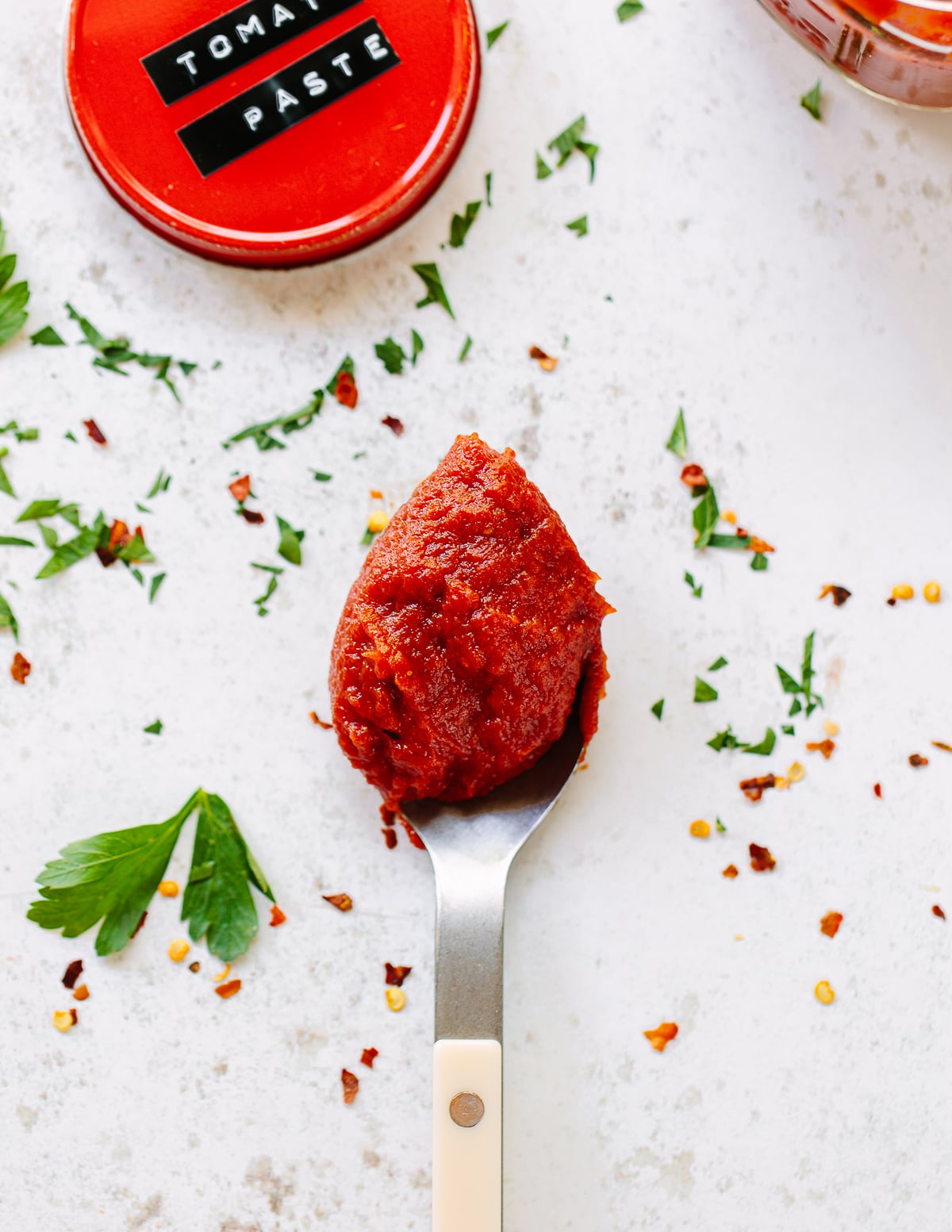
Transform Your Garden Bounty: Easy 4-Step Homemade Tomato Paste Recipe
The peak of tomato season brings a delightful dilemma for many home gardeners and fresh produce enthusiasts: what to do with an abundance of ripe, juicy tomatoes? While delicious in salads, sauces, and stews, even the most dedicated cook can find themselves with more tomatoes than they know what to do with. This is where the magic of homemade tomato paste steps in, offering a remarkably simple yet incredibly rewarding solution to preserve that vibrant summer flavor for months to come. Forget the small, often metallic-tasting cans from the grocery store; this homemade version boasts a superior depth of flavor that will elevate all your culinary creations.
Imagine a rich, concentrated essence of tomato, so potent that just a spoonful can transform a dish. That’s precisely what you achieve with this easy 4-step process. Beyond just preserving your harvest, making your own tomato paste ensures you have complete control over the ingredients, often requiring just one simple item: fresh tomatoes. It’s a game-changer for any kitchen, turning a potential surplus into a precious pantry staple. Let's dive into why making your own tomato paste is a culinary revelation.
Why Homemade Tomato Paste is a Culinary Revelation
There's a world of difference between store-bought tomato paste and a batch crafted lovingly in your own kitchen. The distinction lies not just in the freshness but in the very soul of the flavor. When you embark on the journey of making homemade tomato paste, you unlock several key advantages:
- Unmatched Flavor Profile: The most compelling reason to make your own paste is the taste. Commercial pastes often have a sharp, sometimes tinny, undertone. Homemade versions, especially when simmered slowly, develop a deep, mellow, almost caramelized sweetness and richness that is incomparable. This isn't just "tomato flavor"; it's the concentrated essence of sun-ripened tomatoes, bursting with natural sugars and umami.
- Control Over Ingredients: Many recipes, including the one we'll detail, champion the simplicity of a single ingredient: tomatoes. This means no added sugars, preservatives, or unnecessary fillers. If you prefer to add a touch of olive oil, salt, or a hint of acidity like lemon juice, you have the freedom to do so, tailoring the paste precisely to your preferences. However, keeping it salt-free allows for maximum versatility in future dishes, as you can season as needed without worrying about over-salting. This also naturally results in a paste with a balanced acidity compared to those with added citric acid.
- Preserving Abundance & Reducing Waste: Whether you're a seasoned gardener with a bountiful harvest or you've found an incredible deal at the farmers market, homemade tomato paste is the perfect way to utilize a large quantity of tomatoes before they spoil. It transforms what might otherwise go to waste into a valuable ingredient that lasts for months, extending the taste of summer into the cooler seasons.
- Cost-Effectiveness: While the initial effort might seem like a lot, making a substantial batch of tomato paste from inexpensive or homegrown tomatoes is far more economical than continually buying small cans. This recipe yields a generous amount, often several pounds, making it a budget-friendly choice for avid home cooks.
The Essential Ingredient (and Your Options for Customization)
At its heart, this recipe for homemade tomato paste truly needs only one star: ripe tomatoes. But not all tomatoes are created equal when it comes to paste-making. While many varieties will work, selecting the right kind can significantly impact the yield and texture of your finished product.
- Choosing Your Tomatoes: Look for varieties with a high pulp-to-seed ratio and lower water content. Roma tomatoes, San Marzano, Amish Paste, and other plum varieties are excellent choices because they are meaty and dense, which translates to less cooking time to achieve the desired concentration. That said, even your standard slicing tomatoes can be used, though they might require a bit more simmering to evaporate their higher water content. Ensure your tomatoes are at room temperature when you begin, as this aids in blending.
While the purest form of this paste celebrates the singular flavor of tomatoes, some culinary traditions and personal preferences might lead you to consider a few additions:
- Olive Oil: A drizzle of olive oil can be added during the cooking process. It imparts a subtle richness and can help prevent the paste from sticking to the bottom of the pot, though careful stirring remains key.
- Salt: While optional, a pinch of salt can enhance the natural sweetness of the tomatoes and act as a mild preservative. However, as mentioned, a salt-free paste offers greater flexibility for seasoning dishes later on. You can always add salt when cooking with the paste, allowing you to tailor the flavor precisely to your recipe.
- Citric Acid (Lemon Juice): Some recipes suggest adding a small amount of citric acid or lemon juice to increase acidity, which can aid in preservation. However, fresh tomatoes are naturally acidic, and a slow-cooked, simple paste often achieves a beautiful balance of sweetness and tang without any additions. This approach ensures a more natural and consistent acidity and sweetness that lets the true tomato flavor shine. For those interested in the purest form, our article on Homemade Tomato Paste: The 1-Ingredient Secret to Superior Flavor delves deeper into the benefits of this minimalist approach.
Ultimately, the beauty of making homemade tomato paste is the freedom to customize. We'll proceed with the one-ingredient method, which offers unparalleled versatility and purity of flavor.
Easy 4-Step Process for Superior Homemade Tomato Paste
Making your own rich, flavorful tomato paste is surprisingly straightforward. While it does involve some cooking time, much of it is hands-off, and the prep is minimal. Here’s how you can transform your tomato harvest into culinary gold in just four simple steps:
Step 1: Prepare Your Tomatoes
Begin by thoroughly rinsing your fresh, ripe tomatoes under cold water. There's no need to peel them or remove the seeds at this stage, as we'll handle that later. This saves significant prep time! Once rinsed, simply quarter the tomatoes. If you have very large tomatoes, you might cut them into eighths to make them easier to blend. Place the cut tomatoes directly into a large pot or bowl.
Step 2: Blend to a Smooth Purée
Transfer your quartered tomatoes to a powerful blender or food processor. Blend them in batches if necessary until you achieve a smooth, consistent purée. The goal here is to break down the tomatoes completely, including the skins, into a liquid consistency. You'll be left with a bright red, slightly thick tomato liquid with small flecks of skin and seeds.
Step 3: Strain for Silky Smoothness
This crucial step is what differentiates a rustic sauce from a refined paste. To remove the remaining seeds and any larger pieces of skin, you'll need to strain the purée.
- Using a Food Mill: A food mill is arguably the best tool for this, as it efficiently separates the pulp from the skins and seeds, leaving you with a smooth, concentrated tomato liquid.
- Using a Fine-Mesh Sieve: If you don't have a food mill, a large fine-mesh sieve set over a bowl will also work. Push the purée through the sieve using the back of a ladle or spatula, pressing firmly to extract as much liquid and pulp as possible.
Discard the strained solids (seeds and skins). What you're left with is a wonderfully smooth, vibrant tomato liquid – the foundation of your paste.
Step 4: Slow Simmer to Richness
Pour your strained tomato purée into a large, heavy-bottomed pot or Dutch oven. The heavy bottom helps distribute heat evenly and prevents scorching. Bring the purée to a gentle simmer over medium-high heat, stirring occasionally. Once it reaches a simmer, reduce the heat to low, just enough to maintain a gentle bubble. This is where the magic happens!
The goal is to slowly evaporate the water content from the tomatoes, concentrating their flavors and thickening the liquid into a paste. This process can take anywhere from 2 to 4 hours, depending on the water content of your tomatoes and the size of your pot.
- Patience is Key: While much of this time is hands-off, you'll need to stir the paste more frequently as it thickens, especially towards the end, to prevent it from sticking and scorching.
- Watch for Transformation: The purée will gradually darken in color and visibly reduce in volume. It will transition from a watery liquid to a thick, glossy, spreadable paste. When a spoon dragged through the paste leaves a clear path that doesn't immediately fill in, and the paste holds its shape, it’s ready.
Once it reaches this desired consistency, remove the pot from the heat.
Storing Your Homemade Tomato Gold
After all your efforts, proper storage is key to enjoying your homemade tomato paste for months to come. Allow the paste to cool completely to room temperature before storing.
- Refrigerator Storage: For short-term use, spoon the paste into clean, airtight jars. It will keep well in the refrigerator for up to 1-2 weeks. To extend its shelf life in the fridge, you can pour a thin layer of olive oil over the top of the paste before sealing the jar.
- Freezer Storage (Highly Recommended): For long-term preservation, freezing is your best friend.
- Ice Cube Trays: This is a popular method for portion control. Spoon the cooled paste into ice cube trays and freeze until solid. Once frozen, pop out the cubes and transfer them to freezer-safe bags or containers. Each cube will be a convenient portion for various recipes.
- Freezer Bags: Alternatively, spoon the paste into freezer-safe bags. Flatten the bags to remove air and create a thin, even layer. This makes them easy to stack and allows you to break off portions as needed.
Conclusion
There's immense satisfaction in transforming a glut of fresh, ripe tomatoes into something so profoundly useful and delicious. This easy 4-step process for making homemade tomato paste not only preserves the vibrant taste of summer but also elevates your cooking with a depth of flavor that simply cannot be replicated by store-bought alternatives. From enriching hearty stews and pasta sauces to adding a crucial umami boost to pizza bases and soups, your homemade paste will become an indispensable ingredient in your culinary arsenal. So, gather your tomatoes, embrace the simple magic of concentration, and prepare to taste the difference that truly real tomato paste can make in every dish.
