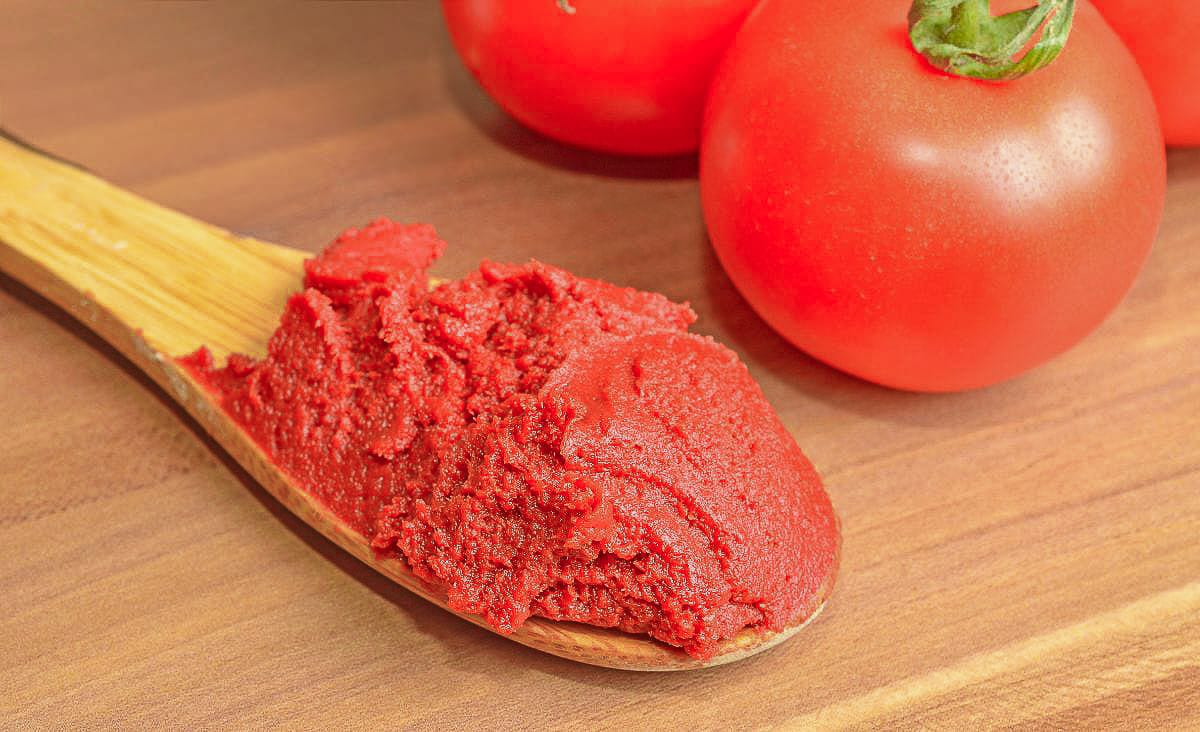
Unlock Unrivaled Flavor with Homemade Tomato Paste
Imagine a culinary secret that elevates your dishes from good to extraordinary, all while simplifying your ingredient list. That secret is homemade tomato paste. Far surpassing the often metallic, one-dimensional taste of its store-bought counterparts, homemade paste offers a depth of rich, concentrated tomato flavor that is truly unparalleled. And the best part? For its purest form, you only need one single ingredient.
For many home cooks, the late summer and early fall bring an abundance of ripe, juicy tomatoes, whether from a thriving garden, a generous farmers' market haul, or even discounted bulk purchases at the grocery store. After making countless batches of salsa, sauces, and stews, you might find yourself with an enviable surplus. This is precisely when the magic of homemade tomato paste comes into play. It's not just a recipe; it's a brilliant preservation method that captures the peak essence of summer tomatoes, allowing you to infuse that vibrant flavor into your cooking throughout the year.
Beyond its superior taste, crafting your own rich homemade tomato paste for any dish provides a gratifying sense of accomplishment and complete control over what goes into your food. Forget the added sugars, obscure preservatives, or excessive sodium often found in canned versions. With this simple, one-ingredient method, you are creating a pure, unadulterated foundation for countless meals.
Why Homemade Tomato Paste Reigns Supreme
The difference between commercially produced tomato paste and a homemade version is truly night and day. The secret lies in the slow, meticulous concentration process that unlocks a flavor profile impossible to achieve otherwise. Here’s why homemade always wins:
- Superior Flavor Depth: Store-bought paste often has a slightly acidic, sometimes tinny, taste. Homemade tomato paste, especially when made with ripe, fresh tomatoes, boasts a deep, mellow, almost caramelized sweetness. The slow reduction process concentrates the natural sugars and umami, resulting in a complex flavor that adds profound richness to your cooking. It’s the difference between a simple tomato note and a full, resonant chord.
- Unbeatable Purity and Control: When you make it yourself, you dictate the ingredients. Our preferred method focuses on just one key component, ensuring a product free from unwanted additives. This is especially beneficial if you’re managing sodium intake or prefer to season your dishes from scratch. You can later customize your paste with herbs, spices, or even a touch of olive oil when you’re ready to cook with it, rather than being stuck with pre-seasoned options.
- Balanced Acidity and Sweetness: While tomatoes are naturally acidic, the long, slow cooking process in homemade paste helps to mellow this acidity, bringing forth the inherent sweetness of the fruit. This results in a more naturally balanced flavor profile compared to pastes that might rely on added citric acid for preservation, which can sometimes lead to a sharper, less harmonious taste.
- Generous Yield for the Home Cook: Unlike the tiny, often expensive cans from the supermarket that offer only a few tablespoons, a homemade batch allows you to produce a substantial quantity. This is ideal for passionate cooks who use tomato paste frequently in family-sized meals, ensuring you always have enough on hand to create rich stews, robust pasta sauces, or a deeply flavored soup base.
- Cost-Effective and Sustainable: Utilizing a surplus of fresh tomatoes, especially during peak season when prices are lower, is an economical way to stock your pantry. It also reduces waste and your reliance on packaged goods, making it a more environmentally friendly choice.
The Simple Secret: Just One Ingredient (and Optional Enhancements)
The core philosophy behind truly exceptional homemade tomato paste is its beautiful simplicity. At its heart, you need only one star ingredient:
- Ripe, Fresh Tomatoes: This is non-negotiable. The quality of your tomatoes directly impacts the flavor of your paste. Look for varieties with a high pulp-to-seed ratio and firm flesh, as these will yield the most concentrated paste. Excellent choices include Roma (plum tomatoes), San Marzano, Amish Paste, or any other paste tomato. Even a mixture of garden-variety tomatoes will work beautifully, as long as they are ripe and flavorful. The sweetness and depth of flavor of your final product depend heavily on starting with the best tomatoes you can find.
While the single-ingredient approach yields an incredibly pure and versatile paste, some cooks prefer to introduce a few optional additions. These are purely a matter of preference and can be incorporated during or after the cooking process:
- Olive Oil: A tablespoon or two can add a lovely richness and help with emulsification during the final stages of cooking, contributing to a glossy texture.
- Salt (Table or Kosher): While our preference is to keep the paste salt-free for maximum versatility, some recipes suggest adding a pinch. The benefit of a salt-free paste is that you have complete control over the seasoning of the dishes you prepare later, preventing accidental over-salting. You can always add salt when you're making your final dish.
- Citric Acid (or Lemon Juice): A small amount can act as a natural preservative and slightly enhance the tanginess. However, the long cooking process naturally concentrates the tomato’s acidity, so it's often not needed. A pure tomato paste will have a natural, consistent acidity that complements its sweetness beautifully.
The beauty of the one-ingredient method is its flexibility. You’re building a foundational ingredient that can be seasoned and dressed up in endless ways later on. This means your homemade paste will adapt perfectly to Italian, Mexican, Indian, or any other cuisine you're exploring, without clashing with pre-set flavors.
The Journey from Fresh Tomatoes to Rich Paste: A 4-Step Process
Transforming a bounty of fresh tomatoes into a thick, concentrated paste might sound daunting, but the process is surprisingly straightforward and much of the cooking time is hands-off. With a modest 30-minute prep time, you’ll be well on your way to culinary excellence. Here’s how to transform garden tomatoes into easy 4-step homemade paste:
Step 1: Prepare Your Tomatoes
Begin by thoroughly rinsing your room-temperature tomatoes under cold water to remove any dirt or debris. There’s no need to meticulously peel the skins or remove the seeds at this stage, as a powerful blender will take care of much of the work, and a later straining step will ensure a smooth final product. Simply quarter your tomatoes – this makes them easier to blend and helps them release their juices.
Step 2: Blend for a Smooth Purée
Place your quartered tomatoes into a high-speed blender or food processor. Blend until you achieve a smooth, uniform purée. You’re aiming for a consistency similar to a thick juice or a very loose sauce, with no large chunks of tomato remaining. This initial blending step breaks down the tomato flesh and prepares it for the crucial straining process.
Step 3: Strain for Silky Texture
This step is vital for achieving the luxurious, silky-smooth texture characteristic of high-quality tomato paste. Pour your blended tomato purée through a fine-mesh sieve, a colander lined with cheesecloth, or, ideally, a food mill. The goal here is to separate the liquid tomato pulp from the skins and seeds. Press down firmly on the solids to extract as much liquid and soft pulp as possible, leaving behind only the fibrous material. This not only refines the texture but also removes bitterness that can come from the seeds and some of the more fibrous skin elements.
Step 4: Slow Simmer to Perfection
Transfer the strained tomato liquid into a large, heavy-bottomed pot or Dutch oven. The wider the pot, the more surface area for evaporation, which can slightly speed up the cooking process. Bring the purée to a gentle simmer over medium heat, then reduce the heat to low. This is where the magic happens: the liquid will slowly evaporate, concentrating the tomato solids and intensifying the flavor.
Stir occasionally at first, then more frequently as the paste thickens, to prevent scorching at the bottom. The cooking time will vary depending on the amount of liquid and the heat, but expect several hours (much of it hands-off). You’ll know your paste is ready when it has reduced dramatically in volume, turned a deep, rich red color, and reached a thick, spreadable consistency that clings to a spoon and pulls away cleanly from the bottom of the pot. A good test is to drag a spoon across the bottom of the pot; if it leaves a clear path that fills in slowly, it's done.
Storing Your Homemade Treasure & Culinary Uses
Once your homemade tomato paste has reached its peak concentration, allow it to cool completely before storing. Proper storage is key to preserving its incredible flavor and extending its shelf life:
- Refrigeration: Transfer the cooled paste into clean, sterilized airtight jars. It will keep in the refrigerator for up to 2-3 weeks. For an extra layer of protection, you can pour a thin layer of olive oil over the top before sealing.
- Freezing for Long-Term Storage: This is the most practical method for enjoying your paste year-round. Spoon the paste into ice cube trays for convenient, pre-portioned amounts. Once frozen solid, transfer the cubes to freezer-safe bags or containers. This allows you to grab just a tablespoon or two as needed, minimizing waste. Frozen tomato paste can last for 6-12 months.
The versatility of homemade tomato paste is astounding. Its concentrated flavor means a little goes a long way in adding depth and richness to a wide array of dishes:
- Sauces and Gravies: It's the perfect base for rich pasta sauces, marinara, or a robust Bolognese. A tablespoon can transform a thin sauce into a velvety, flavorful creation.
- Soups and Stews: Stir it into homemade chili, hearty beef stews, or even a simple vegetable soup for an instant boost of umami. Consider using it in a Roasted Tomato and Garlic Soup for an extra layer of depth.
- Pizza and Flatbreads: Whisk it with a little water, olive oil, and herbs for an incredibly flavorful and vibrant pizza sauce. It’s far superior to many store-bought options for your Roasted Tomato Pizza Sauce.
- Braises and Roasts: Incorporate it into the liquid for braised meats or spread a thin layer over vegetables before roasting to create a caramelized, savory crust.
- Global Cuisines: Its pure tomato essence makes it adaptable to various international dishes, from Indian curries to Mexican moles and North African tagines.
Embrace the Flavor Revolution
Making your own homemade tomato paste is more than just a kitchen project; it's an investment in superior flavor and culinary control. From the moment you stir that first spoonful into a simmering pot, you’ll notice the difference – a richer color, a deeper aroma, and an unparalleled taste that elevates every dish it touches. So, the next time tomato season rolls around, or you spot a sale on ripe, beautiful tomatoes, seize the opportunity. Embrace the simple, one-ingredient secret to truly transform your cooking and savor the concentrated essence of summer, all year long.
